
Feedback
AI Ad Video Example
Loading...
MiniMax H3 prompt
Perfect your MiniMax H3 prompt writing: organize time-stamped scenes, direct camera movement, and control sound to produce 2K video with crisp stereo audio.
All Tools
Discover our comprehensive AI-powered animation toolkit
MiniMax H3
MiniMax H3 AI Video Generator
Seedance 2.5
The Future of AI Video Is Here.
Seedance 2.0
The Future of AI Video Is Here.
FLUX 3 Video Generator
Kling 3.0
Next-Gen AI Video Generator
Grok Video Generator
Create Videos from Text or Images with AI
MiniMax H3 video generator
MiniMax H3 AI Video Generator
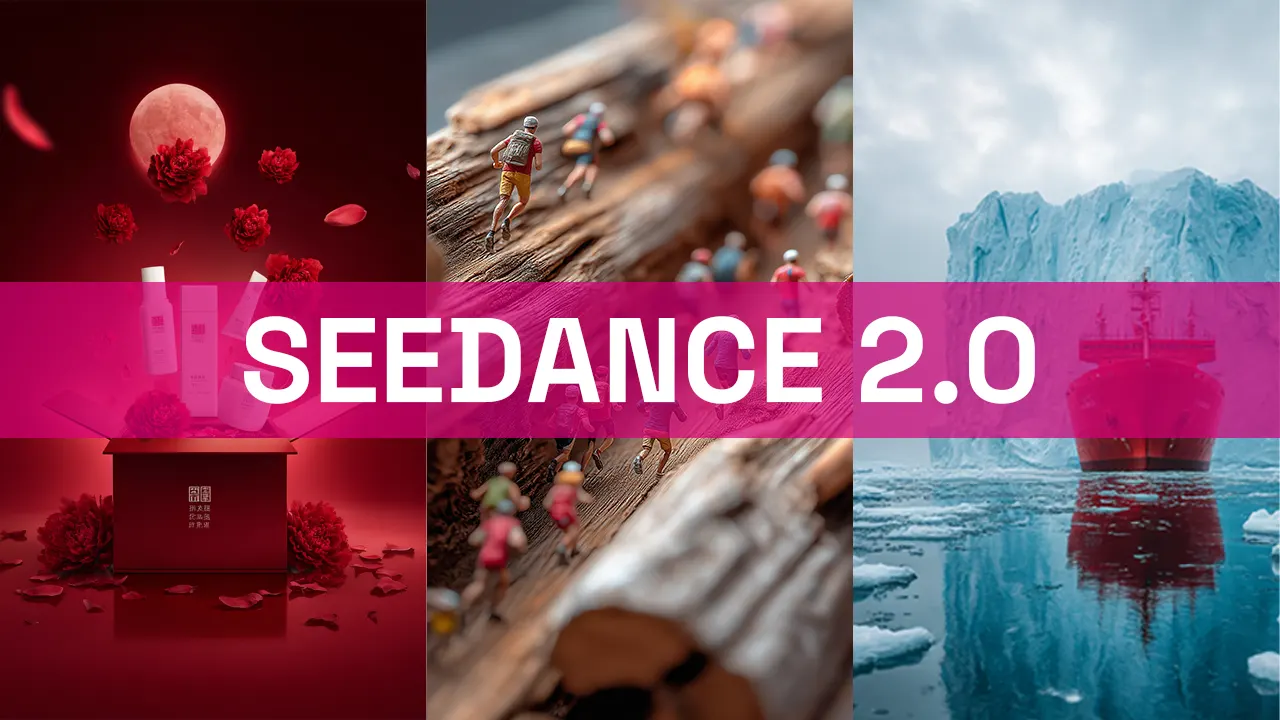
Seedance 2.0
The Future of AI Video Is Here.
What Makes the MiniMax H3 Prompt Worth Learning
MiniMax H3 is an open multimodal video model that turns detailed prompts into 5-15 second, 2K, 24fps footage with sound included. This guide shows how to use the MiniMax H3 prompt to assign each reference a job, mark shots with timestamps, direct camera language and audio, and keep identity stable throughout a scene — all within a 7,000-character limit.
- Give Each Reference a Specific JobThe highest-impact habit in a MiniMax H3 prompt: declare the role of every image, clip, or sound file — mood, subject, item, aesthetic, or speaker.
- Scheduling Scenes with Time CodesSplit a multi-action scene into [0-2s], [2-4s] windows in the same MiniMax H3 prompt, which avoids static slide-show pacing and gives the story a real rhythm.
- Directing Sound with Cinematic PrecisionIn the MiniMax H3 prompt, specify music arrangement, effects, and cloned voice details at the same level of detail as visuals — including bass layers, cymbal patterns, background noise, and when lines are spoken.
Five Steps to Build a MiniMax H3 Prompt
Follow a five-step workflow to compose a polished MiniMax H3 prompt that yields 2K clips with audio included.
Techniques Behind an Effective MiniMax H3 Prompt
This page compiles eight proven practices for crafting a reliable MiniMax H3 prompt: telling apart reference roles, pacing shots by timestamp, guiding audio, listing what to avoid, locking character details, constraining edits, using film vocabulary, and making transitions happen naturally.
Telling the Model What to Skip
One technique in the MiniMax H3 prompt is specifying things to leave out — such as no dissolves, no messy text, no sudden scares — so the model stays on track.
Keeping People and Objects Consistent
List distinctive attributes — hairstyle, outfit, accessories, and fonts — in the MiniMax H3 prompt so characters and products remain unchanged from shot to shot.
Pairing Changes with Fixed Constraints
For video editing, combine each replacement with conditions that keep everything else stable in the MiniMax H3 prompt — choose local tweaks rather than regenerating the whole clip.
Describing Shots Like a Cinematographer
Write shot sizes, lens behavior, exposure, and film texture — shake, focus pulling, wide-angle warp, grain — directly into the MiniMax H3 prompt.
Making Cuts Feel Like Real Events
Frame transitions as concrete actions — quick pans, smeared motion, optical streaks, flickering light — which gives better results than naming effects in the MiniMax H3 prompt.
Leveraging the 7,000-Character Limit
With the MiniMax H3 prompt, you can pack a complete scene plan, time-stamped shots, audio instructions, and limits into one request without cutting corners.
What People Ask About the MiniMax H3 Prompt
Quick answers to recurring questions about creating effective prompts for the MiniMax H3 model.
What does the MiniMax H3 prompt guide cover?
It's a collection of recommended methods for getting better output from MiniMax's multimodal video generator. Following this approach helps you arrange references, schedule shots by time, direct sound, exclude what you don't want, preserve identity, and write in film terms — resulting in 2K videos with clean audio.
What's the maximum length for a MiniMax H3 prompt?
You have up to 7,000 characters, which is enough to fit a full scene outline with timed beats, audio instructions, and restrictions into a single MiniMax H3 prompt.
What's the right way to work with multiple reference files?
Give every input a defined job in the MiniMax H3 prompt — say Image 1 sets the mood, Image 2 is the main subject, Audio 1 is the voice. You can include up to 9 images, 3 videos, and 3 audio tracks per generation.
Should sound be part of the prompt?
Yes — treat audio like another layer of the scene. In your MiniMax H3 prompt, describe the music structure, when effects appear, and what dialogue should say so the generated sound fits the edit.
How can I prevent characters from changing between shots?
Write down the traits that must stay constant — hair, clothing, carried objects, and background details — in the MiniMax H3 prompt, and repeat them across every timed segment and cut.
Which mistakes should I avoid when writing a prompt?
Avoid unclear timing and unintended style shifts. Replace slide-show pacing with timestamped chunks, and add negative directions to the MiniMax H3 prompt to keep out unwanted elements.
Draft Your Own MiniMax H3 Prompt Right Now
Produce 2K clips with stereo audio by applying MiniMax H3 prompt best practices — define each reference's role, time-stamp your scenes, use camera terms from film, and specify sound cues all in one prompt.